What to do if your vehicle is experiencing issues with brakes
Your vehicle's brakes are one of the most critical safety features, and taking care of them is essential to help ensure your vehicle performs at its best. Proper brake maintenance not only helps keep you safe on the road but may also help reduce the likelihood of more expensive repairs later.
In this blog, we'll discuss how to care for your brakes and what to do if you begin hearing unusual noises.
1. Regular Brake Inspections
Regular inspections are one of the best ways to help maintain your braking system. Having your brakes inspected periodically can help identify worn components before they become larger concerns.
During a brake inspection, technicians may evaluate:
- Brake pad thickness
- Brake rotor condition
- Brake fluid condition and level
- Brake calipers and hardware
- Visible signs of wear or damage
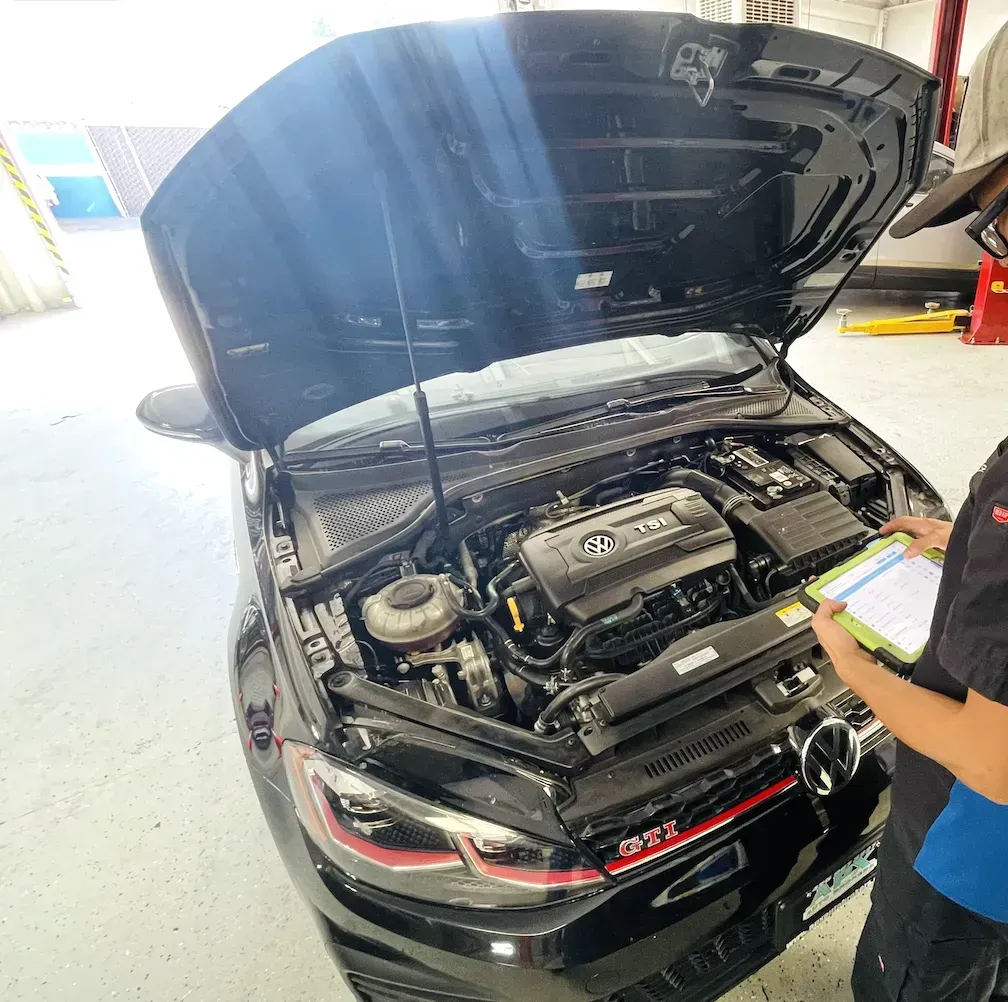
Routine digital vehicle inspections can help identify brake wear and other maintenance concerns before they affect vehicle performance.
2. Pay Attention to Warning Signs
Your brakes often provide warning signs before a significant problem develops. Some common indicators include:
- Squealing or Screeching Noises: Often associated with worn brake pads.
- Grinding Sounds: May indicate significant brake wear and should be inspected promptly.
- Vibration or Pulsation: Can sometimes be related to rotor wear or brake system concerns.
- Soft or Spongy Brake Pedal: May indicate hydraulic system issues or low brake fluid.
If you notice any of these symptoms, scheduling a professional brake repair inspection can help determine the cause before the issue worsens.
3. Keep Your Brake Fluid in Check
Brake fluid plays an important role in the hydraulic operation of your braking system. Over time, brake fluid can absorb moisture, which may affect braking performance.
Checking brake fluid levels and condition as part of regular maintenance can help support proper brake operation. Service intervals vary by vehicle manufacturer and driving conditions.
Routine factory maintenance can help ensure important fluids and vehicle systems are inspected according to manufacturer recommendations.
4. Practice Good Driving Habits
Driving habits can significantly affect the lifespan of brake components.
Some ways to reduce unnecessary brake wear include:
- Avoiding hard braking whenever possible
- Maintaining a safe following distance
- Avoiding resting your foot on the brake pedal
- Using lower gears when appropriate on long downhill grades
Proper tire condition and vehicle handling can also contribute to braking performance. Services such as wheel alignment can help promote even tire wear and stable vehicle control.
5. What to Do If You Experience Brake Issues
If you notice unusual noises, vibrations, warning lights, or changes in braking performance, it's important to have your vehicle inspected as soon as possible.
Brake symptoms can sometimes be related to suspension or steering components as well. Services such as shocks and struts repair may be recommended if vehicle handling concerns are contributing to braking issues.
Our technicians can inspect the braking system, identify worn or damaged components, and recommend appropriate repairs based on the vehicle's condition.
Frequently Asked Questions
Why are my brakes making a squealing noise?
Squealing noises are often associated with brake pad wear, but they can also result from moisture, debris, or other brake system conditions. An inspection can help determine the exact cause.
Is it safe to drive with grinding brakes?
Grinding noises may indicate significant brake wear and should be inspected as soon as possible to help prevent additional damage.
How often should brakes be inspected?
Inspection intervals vary depending on driving habits and vehicle type, but brake inspections are commonly performed during routine maintenance visits.
Can suspension problems affect braking?
Yes. Worn suspension components can affect vehicle handling, stability, and braking performance. Proper inspection is important when diagnosing brake-related concerns.
Conclusion
Taking care of your vehicle's brakes is about more than comfort—it's an important part of vehicle safety and reliability. Paying attention to warning signs and keeping up with routine maintenance can help extend the life of your braking system and support safer driving.
If you experience brake noises, vibrations, or changes in braking performance, contact Romita Auto Service to schedule an inspection and let our team help keep your vehicle operating safely.