Why Oil changes and tire rotations are important to your vehicle
Keeping up with routine maintenance is one of the best ways to help ensure your vehicle runs smoothly for years to come. Among the most important maintenance services are regular oil changes and tire rotations.
In this blog, we'll explain why it's important to follow your vehicle manufacturer's maintenance schedule, why oil changes matter, and how regular tire rotations can help maximize tire life and vehicle performance.
1. Why Oil Changes Are Crucial
Oil is often considered the lifeblood of your vehicle's engine. It lubricates moving components, helps control temperatures, and carries away contaminants that can affect engine performance.
Here are a few reasons why regular oil changes are important:
- Protects Engine Components: Fresh oil helps reduce friction and wear between moving engine parts.
- Maintains Engine Performance: Clean oil allows the engine to operate more efficiently.
- Helps Prevent Overheating: Oil assists with heat management inside the engine.
- Removes Contaminants: Regular oil changes help remove dirt, debris, and other contaminants from the lubrication system.
Routine oil change service is one of the simplest ways to help protect your engine and support long-term vehicle reliability.
2. Stick to Manufacturer's Recommended Intervals
Every vehicle manufacturer provides maintenance recommendations designed to help keep the vehicle operating properly.
Following these guidelines offers several benefits:
- Supports Long-Term Engine Health: Regular maintenance can help reduce unnecessary wear.
- Helps Maintain Vehicle Reliability: Scheduled services allow technicians to identify concerns early.
- Encourages Preventive Maintenance: Addressing small issues early may help reduce the risk of larger repairs later.
Routine factory maintenance services help ensure your vehicle receives recommended inspections and maintenance at appropriate intervals.
3. The Importance of Tire Rotation
While oil changes are essential for engine health, tire rotations are important for safety, ride quality, and tire longevity.
Benefits of regular tire rotations include:
- More Even Tire Wear: Rotating tires helps distribute wear more evenly across all four tires.
- Improved Fuel Efficiency: Properly maintained tires can contribute to more efficient vehicle operation.
- Balanced Handling: Even tread wear can help improve ride comfort and vehicle stability.
- Longer Tire Life: Regular rotations may help maximize the usable life of your tires.
If your tires are showing significant wear, our tire sales and replacement services can help you find the right tires for your vehicle.
4. Combining Oil Changes and Tire Rotations
Combining oil changes and tire rotations into a single service visit is an efficient way to stay current on vehicle maintenance.
Benefits include:
- Fewer trips to the repair shop
- A more consistent maintenance schedule
- Improved vehicle performance and reliability
- Better tire life and engine protection
Regular tire rotations can also help technicians identify uneven tire wear patterns that may indicate suspension or alignment concerns. If needed, a wheel alignment inspection may be recommended.
Preventive Maintenance Matters
Routine maintenance appointments provide opportunities to inspect your vehicle beyond just oil and tire services.
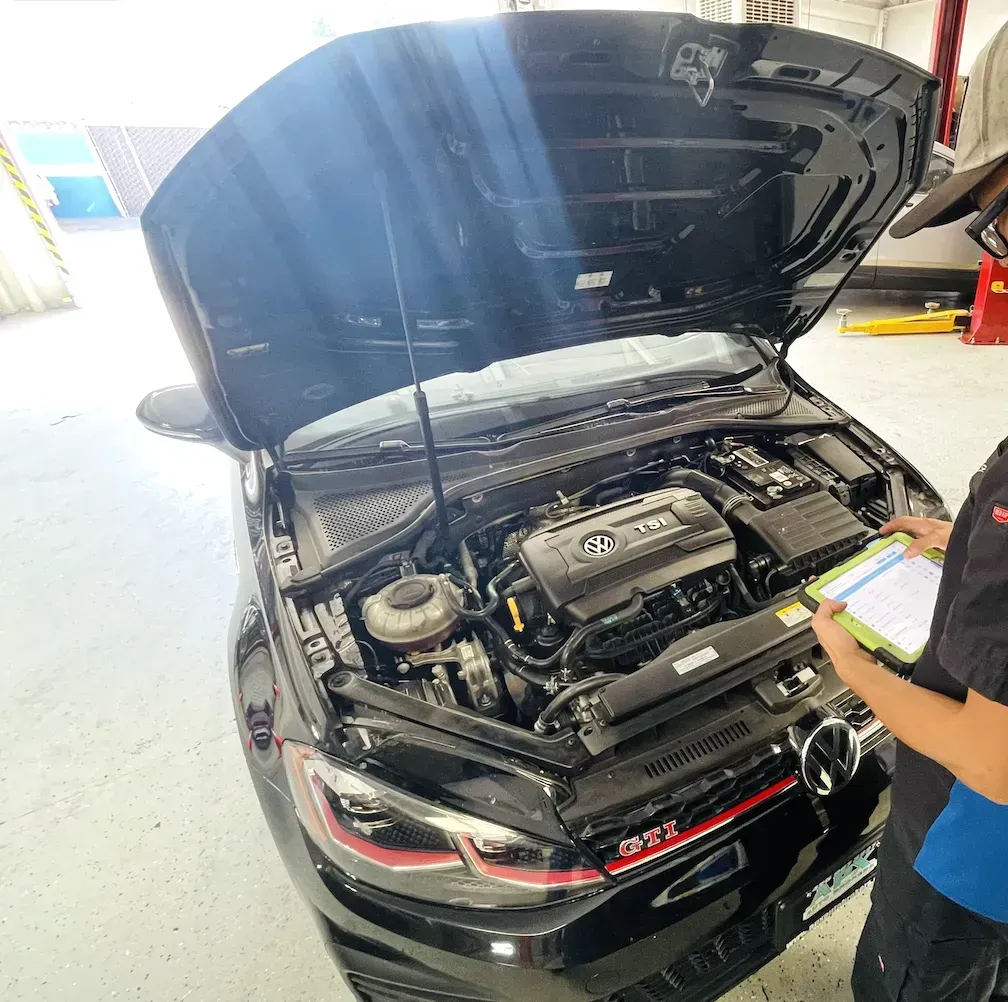
A comprehensive digital vehicle inspection can help identify fluid leaks, worn components, tire concerns, brake wear, and other developing issues before they become larger repairs.
Frequently Asked Questions
Why are regular oil changes important?
Oil changes help protect engine components, maintain performance, control heat, and remove contaminants that can affect engine operation.
How often should tires be rotated?
Tire rotation intervals vary by vehicle and driving conditions. Following manufacturer recommendations and service advisor guidance is generally recommended.
Can tire rotations help extend tire life?
Yes. Rotating tires regularly can help promote even tread wear and maximize the lifespan of the tires.
What happens if I skip maintenance services?
Delaying maintenance may increase wear on vehicle components and could allow small issues to develop into more expensive repairs over time.
Schedule Your Next Maintenance Visit
Keeping up with regular oil changes and tire rotations is one of the best ways to protect your investment in your vehicle.
By following your manufacturer's maintenance schedule and staying proactive with preventive care, you can help improve reliability, extend component life, and support a safer driving experience.
If your vehicle is due for service, contact Romita Auto Service today to schedule an appointment.