What to do if car has an oil leak or coolant leak, we can help fix it
Oil and coolant leaks are common issues that can happen to any vehicle, but they should never be ignored. These fluids are essential for your engine's health, and losing them can lead to severe damage if not addressed promptly.
In this blog, we'll cover what you should do—and what you should avoid—if you notice oil or coolant leaks in your vehicle.
1. Recognize the Signs of a Leak
The first step in dealing with a leak is recognizing it. Here's how you can spot oil and coolant leaks:
- Oil Leaks: Look for dark brown or black spots under your vehicle. Oil leaks are often thicker and have a greasy texture. You may also notice a burning oil smell if the leak reaches hot engine components.
- Coolant Leaks: Coolant is commonly green, orange, pink, yellow, or blue depending on the vehicle. A coolant leak may leave a wet spot near the front of the vehicle and can sometimes have a sweet odor.
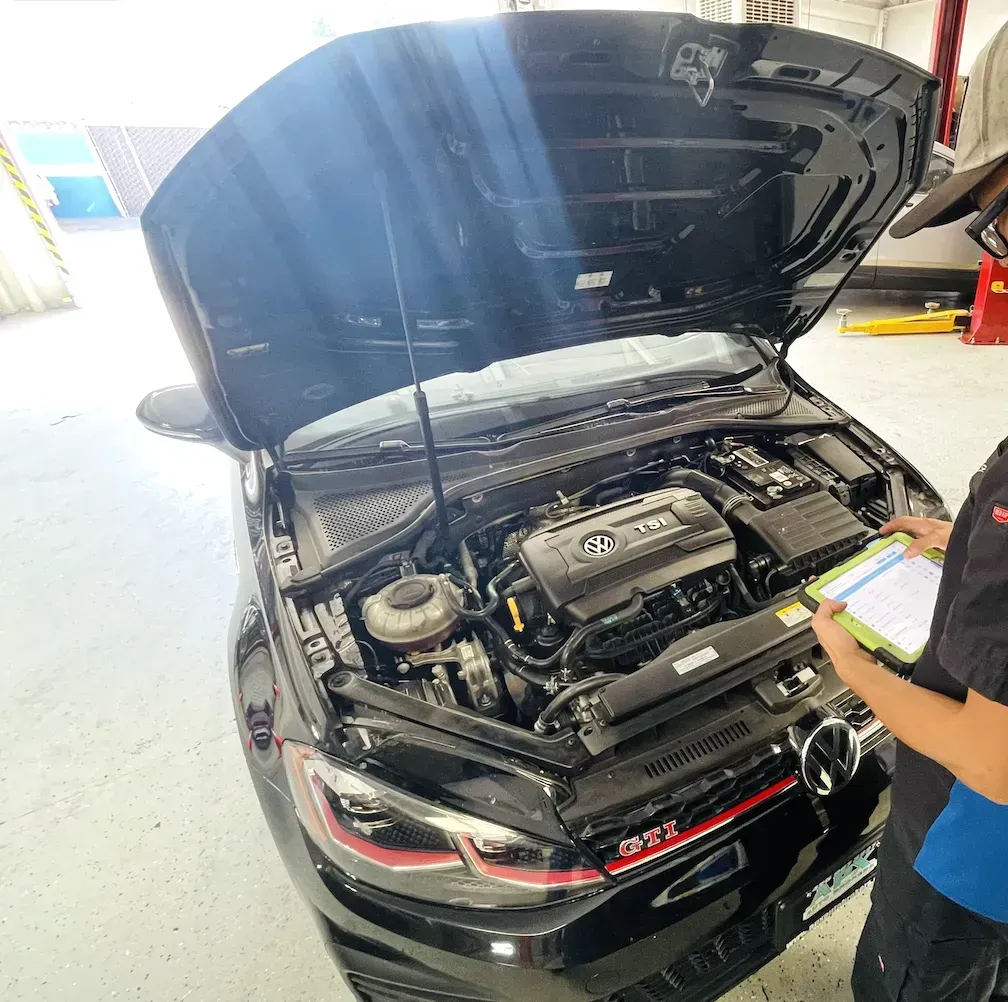
Routine digital vehicle inspections can often help identify developing leaks before they become larger repairs.
2. Do: Pull Over and Assess the Situation
If you notice a leak while driving, safely pull over and assess the situation.
Check your dashboard for warning lights, especially oil pressure warnings, temperature gauges, or other alerts. If warning lights are present, professional check engine light diagnostics may help identify related concerns.
If the engine is overheating or steam is coming from under the hood, shut the engine off as soon as it is safe to do so.
3. Do: Top Off Fluids If Necessary
If fluid levels are low and it is safe to do so, adding the correct fluid may help prevent additional damage while transporting the vehicle for service.
Maintaining proper oil levels is an important part of routine vehicle care. Regular oil change service can help support engine performance and provide opportunities to identify leaks early.
4. Do: Get Professional Help
Even if the leak appears minor, it's important to have the vehicle inspected. Fluid leaks can originate from many different components and may worsen over time.
Our technicians can help identify the source of the leak and determine what repairs may be needed.
5. Don't: Ignore the Leak
Ignoring an oil or coolant leak can lead to more serious mechanical problems.
Low oil levels can increase engine wear and potentially cause internal damage. Coolant leaks can contribute to overheating and may affect critical engine components.
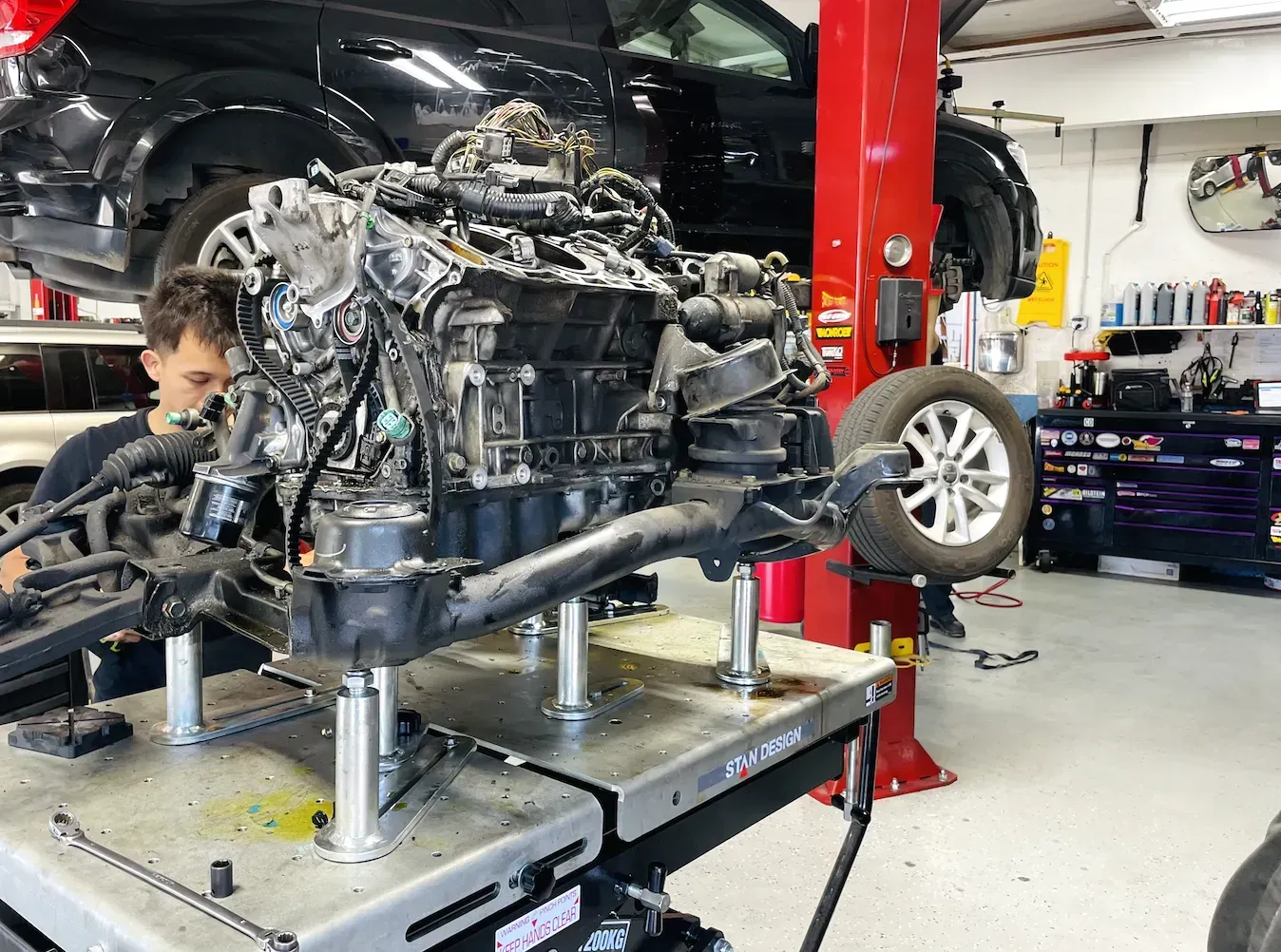
In some cases, unresolved leaks may eventually require more extensive engine repair services.
6. Don't: Attempt Temporary Fixes
Temporary leak-stop products may seem convenient, but they do not address the root cause of the problem and may not be appropriate for every situation.
Proper diagnosis and repair remain the best approach when addressing fluid leaks.
7. Don't: Drive Long Distances
If you've identified an active leak, avoid driving long distances until the issue has been inspected and repaired.
Driving with low oil or coolant levels increases the risk of overheating, engine damage, and breakdowns.
If coolant loss is involved, components within the cooling system may need inspection. Services such as radiator replacement and cooling system repair may be recommended depending on the source of the leak.
Frequently Asked Questions
How can I tell if my vehicle is leaking oil or coolant?
Oil is typically dark brown or black and has a greasy texture. Coolant is often brightly colored and may have a sweet smell. The location and appearance of the fluid can provide clues, but professional inspection is the best way to confirm the source.
Can I continue driving with an oil leak?
Small leaks may not immediately affect drivability, but oil levels should be monitored closely. Driving with insufficient oil can cause significant engine damage.
Is a coolant leak serious?
Coolant leaks should always be addressed promptly because they can lead to overheating and potential engine damage if left unresolved.
What causes coolant leaks?
Coolant leaks can originate from hoses, radiators, water pumps, gaskets, connections, and other cooling system components. Proper diagnosis is necessary to identify the exact source.
Final Thoughts
Oil and coolant leaks are not just inconvenient—they are signs that your vehicle needs attention. Addressing leaks early can help prevent more extensive repairs and keep your vehicle operating reliably.
If you notice fluid leaking from your vehicle, contact Romita Auto Service. Our team can inspect the problem, identify the source of the leak, and recommend the appropriate repairs to help keep you safely on the road.